Entradas

Aprenda cómo mejorar el control y la garantía de calidad en la industria alimentaria con las soluciones digitales de Augmentir.

Seguir los procedimientos de control de calidad (CC) y aseguramiento de la calidad en la industria alimentaria es fundamental para garantizar la calidad del producto y la satisfacción del consumidor. Los consumidores actuales exigen productos seguros y confiables que cumplan con todos los protocolos de inspección de calidad. Lo último que desea es que un producto sea retirado del mercado debido a posibles riesgos para la salud.

De acuerdo a Fabricación de alimentosEl control de calidad es uno de los aspectos más importantes de la industria de alimentos y bebidas. Los fabricantes que realizan inspecciones rutinarias de sus productos durante cada etapa del proceso de producción aumentan significativamente sus posibilidades de entregar productos libres de riesgos para la salud y responsabilidades. Pero además de evitar estas preocupaciones, estandarización y digitalización de la calidad Los procedimientos benefician a toda la operación.

En definitiva, prevenir y detectar problemas de calidad puede mejorar la calidad del producto, reducir el desperdicio, aumentar las ganancias, mejorar la reputación de la marca y evitar desastres mediáticos o relacionados con la seguridad alimentaria. Aprenda más sobre el control de calidad y la garantía en la industria alimentaria y cómo mejorarlos mientras analizamos:

control de calidad de la industria alimentaria

Tipos de medidas de control de calidad a tomar

Existen ciertas medidas de control de calidad que puede implementar para garantizar que todos los productos cumplan con los estándares de calidad, desde inspecciones periódicas de las máquinas hasta la capacitación de los trabajadores. Estas medidas se dividen en dos categorías generales: preventivas y reactivas.

Control de calidad preventivo (proactivo)Minimizar el número de deficiencias comienza con la implementación de soluciones preventivas de control de calidad. Cuando los trabajadores pueden detectar errores antes de que ocurran, previenen defectos en los productos. Las medidas preventivas de control de calidad deben implementarse de forma rutinaria y pueden abarcar desde la inspección de máquinas y equipos hasta la capacitación de los empleados. Al proporcionar a los trabajadores información y orientación en tiempo real a través de soluciones móviles y conectadas, los fabricantes les permiten tomar mejores decisiones sobre la calidad de los productos, reduciendo el riesgo de errores e identificando posibles problemas de calidad antes de que los productos se envíen a los clientes, reduciendo así el riesgo de retiradas de productos y preservando la confianza del consumidor.

Control de calidad reactivoDetectar todos los defectos en la planta de producción es casi imposible, incluso con las estrategias más infalibles. Por eso, crear un plan de acción antes de una crisis puede ayudar a resolver los problemas de calidad en cuanto surgen.

Lo que incluya en su plan dependerá de los posibles problemas. Por ejemplo, puede incluir instrucciones específicas sobre qué hacer si la maquinaria se avería o se detiene inesperadamente. Es fundamental recopilar todos los datos en esta etapa. Analizarlos puede ayudarle a mejorar el control de calidad preventivo en el futuro para garantizar que los mismos problemas no se repitan.

Consejo profesional

Al utilizar inteligencia artificial y tecnologías digitales modernas, las empresas pueden conectar, involucrar y empoderar a los trabajadores de primera línea para impulsar mejoras de calidad, resolver problemas de calidad más rápidamente y compartir información oportuna con equipos de toda la cadena de valor.

A

Tenga en cuenta que el control de calidad en la industria alimentaria debe formar parte de cada proceso de fabricación, desde la concepción y el desarrollo del producto hasta la producción y la entrega. Los problemas pueden surgir en cualquier momento, por lo que es fundamental seguir los protocolos en cada etapa de la producción para evitar incluso el más mínimo error.

Todos los trabajadores también deben respetar los protocolos de control de calidad y garantía en sus tareas diarias para garantizar la mejora continua del producto.

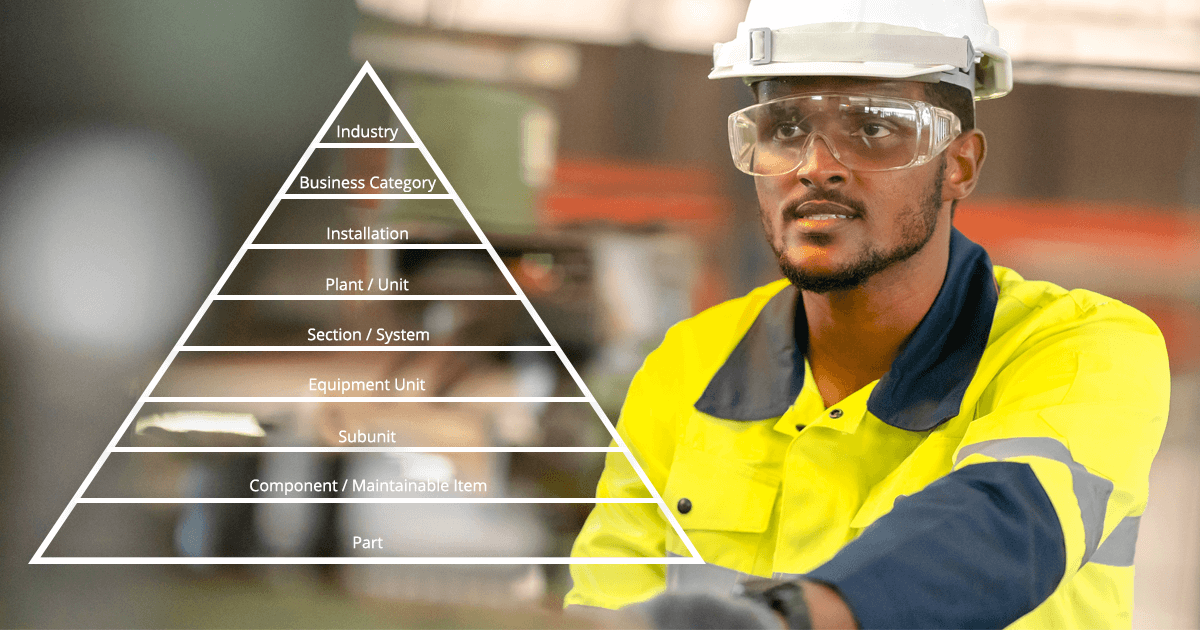
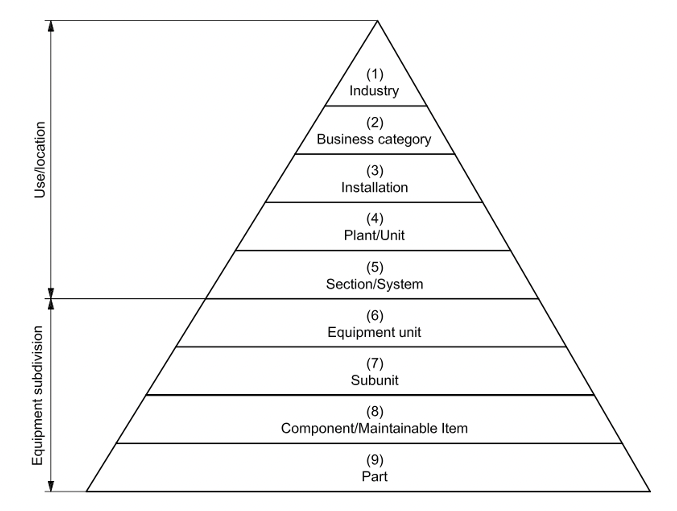
Una mejor organización de los equipos también puede ayudar a los trabajadores a comprender cómo la acción de uno afecta al otro para resolver posibles problemas. Esta es otra ventaja de integrar la jerarquía de activos con una solución para trabajadores conectados. En resumen, unas jerarquías sólidas son una base sólida para una gestión adecuada del mantenimiento y la fiabilidad.

Cómo mejorar los procedimientos de control de calidad y aseguramiento en la producción de alimentos

Los procedimientos eficaces de control y aseguramiento de la calidad evitan que productos alimenticios defectuosos lleguen a tiendas de comestibles y hogares. Por eso, los fabricantes deben documentar la calidad de sus productos en cada etapa del proceso operativo. Estrategias como los planes de calidad a la primera (FTQ), o "first time right", junto con soluciones inteligentes y conectadas, ayudan a reducir las deficiencias de los productos y a aumentar la satisfacción del cliente.

Las empresas manufactureras de la industria alimentaria deben cumplir con los requisitos específicos establecidos por la Administración de Alimentos y Medicamentos (FDA), el sistema de Buenas Prácticas de Manufactura (BPM) y el Análisis de Peligros y Puntos Críticos de Control (APPCC). Las directrices establecidas por estos organismos reguladores pueden brindar a las empresas una mejor idea de cómo deben ser sus procesos y qué datos deben recopilar y reportar.

Se deben recopilar datos para los procesos de producción en tiempo real. Estos varían según el producto, pero pueden abarcar desde el enfriamiento y el procesamiento térmico hasta el análisis de toxinas metálicas y otros depósitos químicos en las materias primas.

Los siguientes pasos proporcionan una hoja de ruta sobre cómo mejorar el control de calidad en la industria alimentaria.

Paso 1: Consigue los ingredientes correctos

Una cadena de montaje exitosa comienza con la búsqueda y el uso de los ingredientes correctos. Algunos aspectos a considerar al elegir los ingredientes: dónde se obtuvo la materia prima, cuándo y en qué estado se encuentra.

Paso 2: Incluya una lista de proveedores aprobados

Asegúrese de que cada ingrediente cuente con una lista de proveedores aprobados. Una buena regla general es incluir tres proveedores por ingrediente y registrar el ingrediente con el nombre, la dirección y el código de cada proveedor en la lista. Cuanta más información incluya, mejor. Contar con una lista de proveedores aprobados garantiza que todas las partes sean debidamente verificadas por la empresa fabricante y cumplan con sus requisitos de calidad y distribución.

Paso 3: Documentar la creación de productos y recetas

Documentar la elaboración de cada alimento y su receta ayuda a establecer los estándares de calidad de los productos terminados. Esta documentación también puede ser útil para mejorar el desarrollo de productos en el futuro. El documento debe incluir los tipos de ingredientes utilizados, sus códigos, el rendimiento del lote, la fórmula porcentual y más.

Paso 4: Procedimientos de producción del catálogo

También es fundamental registrar todos los detalles de un proceso de producción, incluyendo cómo deben entregarse los materiales, las condiciones apropiadas para almacenar los alimentos, en qué orden debe añadirse cada ingrediente al lote, qué herramientas se necesitan y quién está a cargo de cada tarea.

Tenga en cuenta que este paso es diferente de documentar el desarrollo del producto y la receta, ya que incluye las instrucciones para cada procedimiento. Por ejemplo, se le puede pedir a un trabajador que precaliente el horno a una temperatura determinada para garantizar que la comida esté lista para su distribución al cliente.

Paso 4: Registrar procesos en tiempo real

Los operadores de máquinas deben registrar en tiempo real cada detalle de la creación de los productos durante la producción. Esto puede incluir factores como el tamaño del producto, el peso, la fecha de caducidad, el estado del equipo, etc.

Paso 5: Digitalizar los procesos de aseguramiento e inspección

La IA y los sistemas de trabajadores inteligentes y conectados ayudan a digitalizar y vincular las inspecciones y otros procedimientos de control de calidad. Esto crea una capa adicional de defensa, protegiendo a los clientes y previniendo problemas de calidad antes de que afecten la producción.

Cómo Augmentir ayuda con el control y aseguramiento de la calidad

Augmentir ofrece una forma más inteligente de mejorar el control de calidad en la industria alimentaria mediante la estandarización y optimización eficaz de los procedimientos de control de calidad e inspección para todos los trabajadores de primera línea. Con nuestras soluciones inteligentes y conectadas, junto con software basado en IA, los fabricantes de alimentos han mejorado el control y el aseguramiento de la calidad mediante:

  • Seguimiento y análisis de datos para identificar tendencias y oportunidades de mejora
  • Reducir el error humano en las inspecciones mediante la estandarización y mejora de los procedimientos y procesos de capacitación
  • Transformar a los trabajadores conectados en sensores humanos que puedan abordar de forma proactiva los eventos de calidad y seguridad que surgen durante las operaciones de fabricación.

estandarizar y digitalizar los procedimientos de garantía de calidad


Nuestras soluciones para trabajadores conectados impulsadas por IA brindan instrucciones de trabajo digitales para ayudar a los empleados a realizar mejores controles de inspección y reducir la cantidad de errores de producción y reelaboración.

Estas soluciones personalizadas también incluyen:

  • Procedimientos operativos estándar digitales Procedimientos Operativos Estándar (POE) para completar las tareas de la línea de montaje. Estas instrucciones paso a paso pueden mejorar considerablemente la eficiencia del flujo de trabajo, aumentar el cumplimiento normativo y reducir los errores en el taller.
  • Flujos de trabajo digitales que convierten sus procesos en papel en instrucciones de trabajo digitales y las personalizan según las necesidades de cada trabajador.
  • Mejore la trazabilidad del producto para reducir el tiempo de configuración del equipo, reducir las inconsistencias en el proceso y satisfacer mejor las expectativas del cliente. Nuestras instrucciones digitales le ayudan a rastrear fácilmente los materiales desde la cadena de suministro, el inventario y en cada proceso de producción.

Si está interesado en saber por qué las empresas eligen Augmentir para ayudar a mejorar sus procesos de control y garantía de calidad, consulte nuestra casos de uso de calidad – o comuníquese para programar una demostración en vivo.


Vea Augmentir en acción
Contáctenos para una demostración personalizada


Learn how manufacturing data collection can boost your bottom line and how to improve your gathering data techniques.

As manufacturing operations continue to modernize and evolve it is clear that without big data they won’t be able to sustain themselves. More and more manufacturers are looking to the tremendous capabilities and insights that digitized information can provide.

Shop floor data collection enables businesses to better measure, standardize, and optimize their production processes. It’s more important than ever before to have information that provides real-time insights for measurable progress.

Accurate reporting is more sustainable if management deploys a work culture and production infrastructure that supports digitized manufacturing data collection with plataformas de trabajadores conectados and solutions.

We discuss more about collecting data and how to improve it in the following sections:

manufacturing data collection

Examples of data collection in manufacturing

Data collection has many uses in a variety of situations for a wide array of manufacturing roles, from operators and engineers to plant managers and even leadership.

For example:

  • Plant managers use production dashboards to better gauge where operators need support, such as when a piece of equipment isn’t working.
  • Operators use machine interfaces that show the status of machine processes, part counts, and other measurable data to ensure they are meeting production targets.
  • Quality managers use production line data to identify and proactively address quality issues.
  • Engineers use collected data to check for any bottlenecks and adjust processes if necessary.
Consejo profesional

Frontline workers often witness safety, quality, or maintenance issues on the factory floor. They are effectively a “human sensor” on the manufacturing process and can readily identify issues that need to be addressed. Today, recording data and resolving those issues is most often a manual and paper-based process. As such, there is minimal data collection, latency in resolving the issue, and little-to-no feedback to the frontline worker on resolution.

Equipping workers with mobile and digital tools can help optimize shop floor data collection.

A

Which data to keep an eye on

Data generated on the shop floor can vary depending on the nature of work, the type of devices and technologies used, and the area of operation. Much of this data is of use to manufacturers and can be used to improve production processes.

Useful types of data for manufacturers that we recommend keeping an eye on are:

Inventory data: This type of data helps manufacturers keep track of product inventory. With it they can better gauge what items need to be restocked or which ones aren’t bringing any value to the customer as well as improve forecasting ability and more.

Quality and Inspection data: Ensuring product quality is a priority in manufacturing. Collecting data related to quality control, product inspection, and identifying defects or deviations from the desired standards is crucial to maintaining high-quality products and operations.

Machine data: Optimizing a production process can become difficult if you don’t know the status of your equipment. Manufacturing data collection can be digitized to analyze machine quality and performance, equipment runtime and downtimes, or other machine-related problems. Sensors monitor machine use and downtime, maintenance time, cycle time, and more. Studying this collected data helps identify where production can be improved to optimize efficiency.

Using AI, manufacturers can filter out the “white noise” data (or data that is of no use) to derive actionable insights more effectively than with traditional methods. Automating, standardizing, and digitizing manufacturing processes also improves manufacturing data collection procedures, making them streamlined, accurate, and reliable.

How to improve production data collection

Manufacturing data collection is transforming the way businesses handle their operational decisions. However, it can also pose setbacks to your production line if you gather inaccurate data.

Manufacturers must implement data collection systems that are easy to understand and navigate. You’re risking inconsistent data collection and reporting when you install a system with complicated functions and navigation tools. This can be avoided by focusing on people-centric, intuitive, and user-friendly systems that fit into the everyday flow of work for the frontline workforce.

quality manufacturing data collection

Implementing a unified system alone won’t improve data collection. Solutions that incorporate enhanced mobile capabilities and provide a truly connected enterprise are able to facilitate and optimize data collection efforts.

Examples of some useful smart, connected solutions to improve manufacturing data collection are:

  • Personalized, Digital Work Instructions: these intelligently deliver personalized digital work instructions matched to the needs of each worker in order to deftly guide them through and streamline day-to-day operations.
  • Connected Asset Management: these tools help simplify operations and maintenance of facilities, manage work and maintenance procedures, collaboration, and more.
  • Gestión de habilidades: these systems create visibility into workforce capability and optimize training programs, track individual and team progress, and initiate more targeted training and upskilling.

In addition to all the benefits listed above, these smart, connected worker tools are able to empower frontline workers with improved data-driven decision-making abilities that aid in safety, quality, and productivity efforts.

Benefits of digitizing shop floor data collection

Production data collection can make all the difference to a company’s success and give them a competitive edge. Smart, connected worker solutions enhance collection processes, allowing for real-time data collection, streamlined communication and collaboration between frontline workers.

Data-driven strategies can help with:

  • Creating better maintenance procedures based on real-time insights and equipment conditions
  • Optimizing worker productivity by minimizing production errors
  • Reducing downtime by providing real-time feedback
  • Developing higher quality products that increase customer satisfaction
  • Cutting supply chain costs due to better forecasting and waste reduction techniques

Implementing accurate, connected worker solutions can take your data collection efforts to the next level. That’s where Augmentir can help. We are the world’s only AI-driven, people-centric smart solución de trabajador conectado to standardize and optimize data collection using groundbreaking AI analytics technology.

See how our AI-focused connected worker solutions are driving results and improving data collection and data-driven decision-making across manufacturing operations – schedule a demo now.


Vea Augmentir en acción
Contáctenos para una demostración personalizada


It’s vital that customers receive products that are free of defects. Learn 5 steps for improving production quality and how the right software can help.

Unexpected product quality issues can be a hassle to manage, especially when staff is stuck with processing time-consuming complaints, replacements, and refunds. Even worse, the impact on your bottom line can be substantial.

Manufacturers risk a significant cut to their profit margins when quality standards are not followed during the production process. To improve quality on the shop floor, plant managers need to pinpoint the root cause of quality issues.

Explore this article to learn how to start boosting your industrial processes today:

improve production quality in manufacturing


What is Production Quality

Production quality, or manufacturing quality, measures how well a manufacturing process develops products to fit design specifications. Manufacturers must devise a plan for how they want specific items to appear and function before creating them. This can include things like colors, durability, range of motion, measurements, and more. How well a product is made will depend on meeting these conditions.

After the design is planned, a number of factors can affect production quality, including:

  • Equipment/machines
  • Materials
  • Batch size
  • Human mistakes
  • Environmental issues
Consejo profesional

Frontline workers often witness quality issues on the factory floor. They are effectively a “human sensor” in the manufacturing process and can readily identify issues that need to be addressed. Today, recording data and resolving those quality issues is most often a manual and paper-based process. As such, there is minimal data collection, latency in resolving the issue, and little-to-no feedback to the frontline worker on resolution.

Equipping workers with mobile and digital tools can help optimize production quality.

A

5 steps to improve production quality

Although there may not be one single method for improving manufacturing quality, there are steps you can take to maximize success.

Here are five steps that should be part of your strategy.

Step 1: Assess your current workflow.

Start by reviewing your existing manufacturing processes. We encourage management to ask the following questions as part of their review:

  • What quality benchmarks do you hope to achieve for each product?
  • How much money have you lost from material, energy waste, and wasted time due to quality problems?
  • What is your margin for improvement?
  • What quality standards are implemented in the creation of products?
  • Is your equipment inter-connected with different databases, or just a single database?

We recommend connecting your factory devices to one central database with a cloud-based, connected worker solution that operations management can use to create, assign, manage, and monitor the work being done. This kind of software can help streamline operational processes and track results in real-time.

Step 2: Remove unneeded processes.

Once you’ve accessed your current workflow and set up a connected worker solution to collect frontline worker data, we recommend coupling it with AI-powered analytics that can derive actionable insights. Then you can use these actionable, data-led insights to see which processes are adding value and which ones are not.

quality manufacturing data collection

Step 3: Boost worker training.

It’s important to maintain regular employee training and skills development programs to ensure workers are staying on top of industry best practices, equipment upkeep, and product knowledge. AI-powered connected worker solutions make learning more accessible, engaging, and effective.

Step 4: Create quality goals.

Developing quality goals is a great way to measure product benchmarks, production time, material usage, labor cost, working hours, and more. By digitizing and standardizing quality processes, you’ll be able to see which manufacturing processes are adding to your bottom line and which can be eliminated to bring value to the customer.

Step 5: Cut production waste.

Cutting waste from your production run can improve your business’s supply chain management. Connected worker solutions can identify which processes aren’t needed to reduce waste. It also gives real-time visibility into your supply chain to help you manage supply problems, optimize manufacturing processes, and adjust production schedules.

FAQs about improving production quality

How can the quality of the manufacturing industry be improved?

Measuring your current production processes to see which methods work can help improve product quality and increase the value of goods manufacturers make. You can strengthen the processes related to production by digitizing and automating them. Implementing a connected worker solution that offers real-time insights helps ensure that all goods meet quality standards and compliance criteria.

How do you ensure product quality in manufacturing?

There are a number of factors that can ensure product quality in manufacturing. We recommend following the five steps listed above to minimize defects as well as improve workflow and output.

What are 5 ways to improve production quality?

Assessing your current workflow, eliminating needless production processes, boosting work training, creating quality goals, and cutting production waste can all help improve production quality (see list above for a full description of each, as well as how implementing a connected worker solution can boost their overall impact).

Why is quality improvement important in manufacturing?

Enhancing production quality in manufacturing is a must as the industry moves towards fully connected enterprises, digital transformation, and automation. Businesses risk huge profit losses when quality standards are neglected in the creation of each product.

Digitize and Improve Production Quality with Augmentir

By digitizing and standardizing quality protocols, organizations can maintain compliance through an auditable and verifiable quality management system that gives workers access to the correct procedures as they need them with expert guidance. This ensures that tasks are performed in a standard manner to avoid errors on the production floor, reduce defects, and decrease resources lost to rework.

Refining your manufacturing methods can be difficult without the right technology. Augmentir’s AI-based solución de trabajador conectado makes streamlining and optimizing your production and quality procedures easier than ever before. Get in touch for a demostración en vivo today and learn why manufacturers are choosing Augmentir to help standardize and digitize quality processes!


Vea Augmentir en acción
Contáctenos para una demostración personalizada


Learn how to write manufacturing SOPs and the benefits of having standard operating procedures in a manufacturing operation.

Standard operating procedures, or SOPs, will change the way you run your manufacturing operations.

SOPs are imperative to a properly organized management structure. They are step-by-step guidelines workers must follow when carrying out tasks to standardize work and are designed to meet industry regulations.

Essentially, they provide general info about assignments, including the tools, methods, or machinery needed to complete projects. SOPs indicate what the task is, who will perform it, how it should be completed, and when it should be completed.

manufacturing sop

For example, manufacturers may write SOPs for employee training to reduce risk and injury. Leadership may also use procedures to assign goals and measure employee performance.

Read on to find out more about the benefits of manufacturing SOPs and how to write them by exploring the following topics:

Advantages of Implementing Standard Operating Procedures

De acuerdo a Forbes, a comprehensive SOP keeps workers on the same page and improves efficiency and accuracy. Without documented procedures, there is no way to set proper standardized processes and workers might try to complete jobs in non-standard methods, which leads to disruptions in the production processes and causes all sorts of quality issues in a manufacturing environment. Thankfully, SOPs work to prevent that from happening.

Some of the advantages of using SOPs include:

  • Meets regulatory compliance: Product inspectors constantly ask to review SOPs when conducting audits. These serve as the point of reference for whether specific measures followed meet industry guidelines.
  • Standardizes tasks: The point of written procedures is to establish a standard way of completing tasks. They enable tasks to be performed in the same way across the company.
  • Improves accountability and tracking: SOPs define who is responsible for a work order, maintenance check or inspection. This reporting can improve accountability across departments. If a task wasn’t completed accordingly or a procedure was missed, management can take necessary steps to prevent it from happening again.
Consejo profesional

Digitized SOPs can further improve tracking and traceability features, helping manufacturers comply with regulations and quality standards. With digital SOPs it becomes easier to maintain records of every step in the production process, including who performed each task and when.

A

How to write a manufacturing SOP

Writing a comprehensive set of SOPs can help workers perform tasks in the safest and most efficient way possible. Although there isn’t an official way to write procedures, you can follow certain steps to make them more effective:

Step 1: Establish a goal.

It’s important to think about what you want your SOP to accomplish. Regardless if you’re starting a new process or improving an existing one, figuring out the end goal will make it easier to complete the document.

Step 2: Pick a format.

There are different formats you can use to write your document: step-by-step, hierarchical, narrative, etc. We recommend the sequential step-by-step format for its straightforwardness.

Step 3: Write the procedures.

Make sure your procedures are clear, concise, current, consistent, and complete.

Step 4: Review and update.

It’s important to review your SOP for any discrepancies and update them if necessary. Consider asking fellow leaders knowledgeable in procedure creation to read them over.

Why SOPs are Important in Manufacturing

Compliance with manufacturing SOPs is crucial for a number of reasons, including:

  • Prevents accidents and ensures worker safety
  • Promotes worker consistency
  • Improves product quality
  • Protects your business’s reputation

SOPs are a critical component of manufacturing operations because they provide a structured framework for achieving consistent quality, safety, and efficiency in the production process. They help manufacturers meet regulatory requirements, reduce errors, and ensure that employees are trained to perform tasks consistently and safely.

Digitizing Manufacturing SOPs with Connected Worker Solutions

Using connected worker technologies to create procedimientos operativos estándar digitales can significantly improve their impact on manufacturing by enhancing accessibility, effectiveness, and overall utility.

Through digitization and smart, connected worker technology manufacturers can improve SOPs with features like real-time access, remote collaboration and guidance, data-driven insights, workflow automation, enhanced training, traceability and compliance, and more. Essentially, with these advanced technologies, manufacturing organizations can augment and support their workers with optimized processes and SOPs creating an environment of continuous improvement.

Augmentir offers customized AI-powered connected worker solutions that transform how you write and create manufacturing standard operating procedures. Request a demostración en vivo hoy para conocer más sobre por qué los principales fabricantes eligen nuestras soluciones para mejorar sus procesos de fabricación.


Vea Augmentir en acción
Contáctenos para una demostración personalizada

Learn why integrations are key to the success of connected worker platforms, what systems should be integrated, and the benefits of a fully integrated connected worker solution.

Unlocking the potential of connected worker platforms becomes a game-changer when integrated with enterprise systems, giving them a live, closed loop connection to frontline processes and operations. This creates a truly connected enterprise that links diverse systems with the frontline workforce, paving the way for heightened efficiency, productivity, and safety.

connected worker platform integrations

However, a majority of connected worker platforms overlook the fact that connectivity doesn’t end with simply linking workers to their platform. They fail to recognize the immense benefits that live connections to enterprise systems of record bring to frontline business processes and activities.

Manufacturing success hinges on the seamless integration of connected worker platforms with legacy and enterprise systems to provide adequate support to frontline workers, giving them access to data and knowledge that can boost their efficiency and keep them safe.

Read below for more information on connected worker platform integrations; what they entail, which enterprise systems are essential for integration, and how AI-powered technology improves impact on frontline manufacturing activities.

Connected Worker Integrations: More than just an API

In manufacturing, it is critical that connected worker platforms are integrated with various enterprise systems to streamline operations and ensure that workers have the data and information they need at their fingertips. As critical as this is, most connected worker vendors believe that providing an open API is sufficient, and even boast that they integrate to enterprise systems, when in fact they place this burden on their customers.

Having an API is not enough

There are several not-so-obvious aspects to connected worker platform integrations, including:

  • Connected worker integrations with enterprise applications, even streamlined ones, have essential requirements such as logic that needs to be written, customized, run, and supported. Most, if not all, of this logic is initiated by the connected worker platform, propagating events and data from shop floor processes to the associated enterprise system of record.
  • Connected worker platforms with just an “API” require all of this functionality to be developed, hosted, and supported externally. The responsibility is then on the customer to build a custom product and select and support the hosting environment. This effort (building, hosting, and support) can cost between $50K and $150K to build and test, and then another $50K – $150K annually for 5 x 9 support. And, the customer is responsible for maintaining an SLA acceptable to the business (99.9% being typical).
Consejo profesional

It’s critical that connected worker platforms include “platform-as-a-service” (Paas) capabilities that provide the ability to write, support, and execute both standard and custom integrations. These can be done by the platform provider, the customer, as well as third-party system vendors and system integrators. Providing PaaS capabilities puts the responsibility on the vendor for operating the integration service, and maintaining SLAs, geo-redundancy, disaster recovery, and privacy and security. In short, just saying “we have an API” places an undue burden on customers, and prevents building the sustainable connected enterprise necessary to remain competitive in today’s global economy.

A

Which Enterprise Systems Should You Integrate

In any industrial environment, connected worker platforms should be integrated with various systems to support operations, help with cooperation and communication, and gain valuable insights into frontline manufacturing processes. These integrations streamline activities, improve efficiency, and provide a unified digital environment that empowers frontline workers.

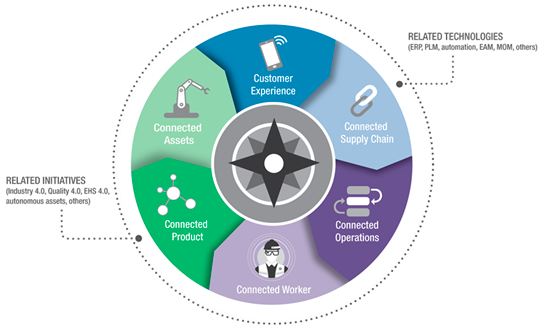
This concept of a connected enterprise spans several initiatives within an organization: assets and equipment, the products being manufactured, the end customer, operations, workers, and the entire supply chain, and is highlighted below using the Industrial Transformation (IX) Reference Architecture from LNS Research.

connected worker enterprise system integration

Examples of enterprise management systems of record that are key to connected worker success and should be integrated are:

  • ERP (Enterprise Resource Planning)
  • EAM (Enterprise Asset Management)
  • HCM (Human Capital Management)
  • HR, Training, and LMS (Learning Management System)
  • QMS (Quality Management Systems)
  • MES (Manufacturing Execution System)
  • CMMS (Computerized Maintenance Management System)
  • Supply Chain Management

Enterprise systems such as ETQ, Workday, Reino Unido, SAP, Oracle, IBM Maximo, Microsoft Dynamics 365, Salesforce, y ADP provide transformational value for a manufacturing company if they can be connected into frontline operations. By integrating connected worker platforms with these systems, manufacturers can create an interconnected environment that supports frontline workers and drives operational excellence. Ultimately, integration enhances collaboration, workforce visibility, decision-making processes, and overall operational efficiency, making connected worker platforms an indispensable component for manufacturing organizations.

Improving Integration Success Through Augmentir

At Augmentir, we see integrations differently than other connected worker platforms. Our rich history of building integrations in the manufacturing space enabled us to design a connected worker solution that easily, bi-directionally, and securely integrates the enterprise systems of record to create closed loop processes involving the frontline workforce.

Augmentir has internal PaaS services to run connectors that we build and support for popular enterprise applications like SAP, Salesforce, ETQ, Oracle, IBM Maximo, and more. Additionally, our PaaS enables custom integrations to be built and executed for custom, and niche applications. All third-party integrations running in the Augmentir connected worker platform carry the same SLA and geo-redundant support. By facilitating connected worker platform integrations with enterprise systems in this way, we have provided leading manufacturers with increased workforce visibility, improved productivity, digitized and standardized processes, enhanced training and collaboration, and more.

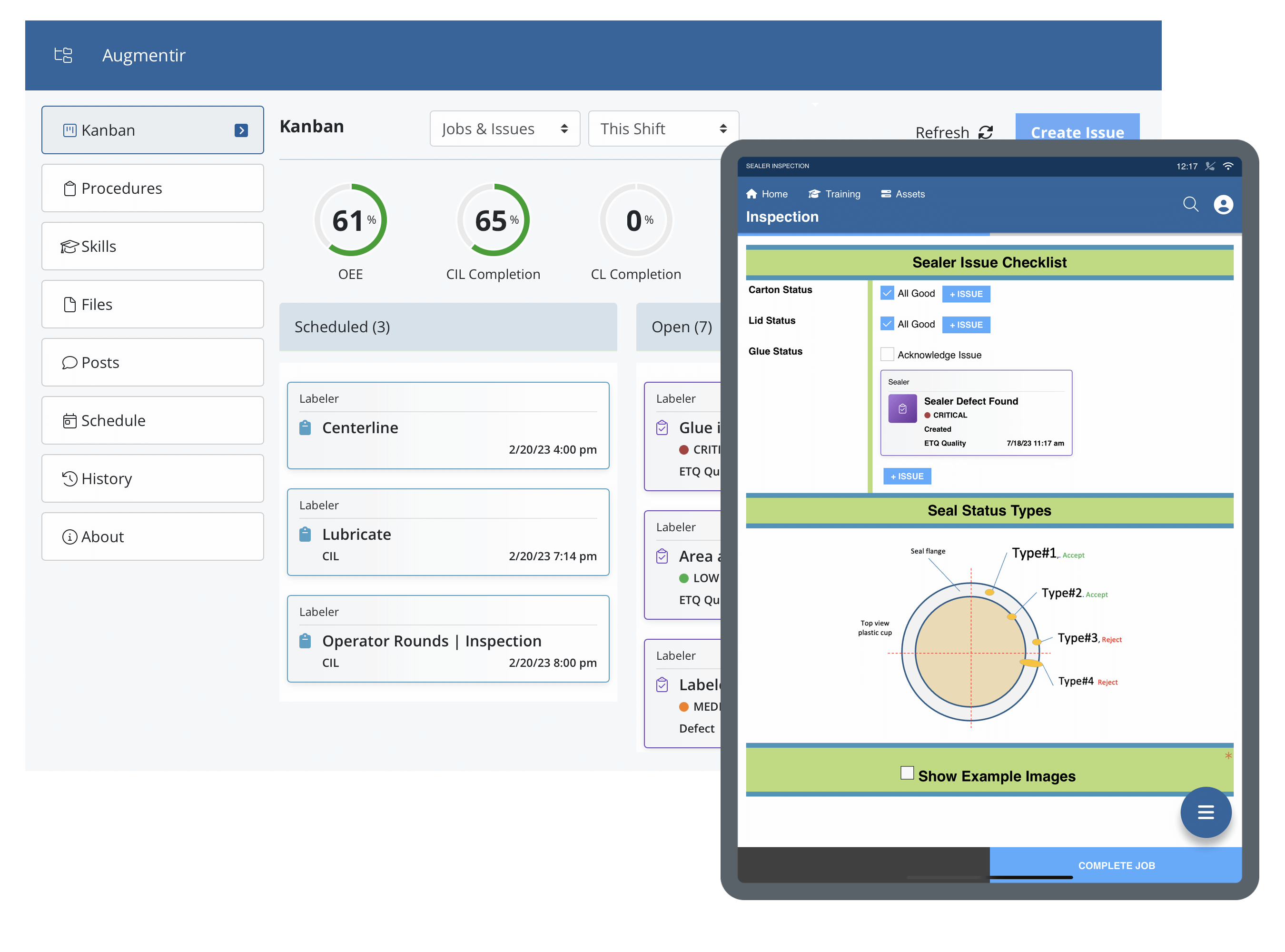
augmentir enterprise integration

Furthermore, because we are the leading AI-powered connected worker provider, we have brought innovative generative AI technologies such as AI-driven analytics, machine learning algorithms, NLP, predictive maintenance, and industrial AI copilots to improve connected worker integrations with enterprise systems, providing real-time guidance, enabling predictive analysis, and enhancing communication and collaboration among workers.

Programe una demostración to learn more about our AI-powered connected worker solutions and how they are drastically improving frontline processes, training, and manufacturing activities.


Vea Augmentir en acción
Contáctenos para una demostración personalizada

Recently, the Augmentir team was excited to support WebexOne as a gold sponsor. It was great to participate in such an inspiring event, where collaboration and hybrid work were key themes throughout the sessions.

Recently, the Augmentir team was excited to support WebexOne as a gold sponsor. It was great to participate in such an inspiring event, where collaboration and hybrid work were key themes throughout the sessions.

During the event, our team had an opportunity to speak with industry leaders to discuss their top challenges and how Augmentir and Cisco together are helping shape the future of work in the manufacturing industry.

Shaping the Future of Work

Aumentar de partnership with Cisco was built to address some of the top challenges in the industrial sector today. During the WebexOne event, Augmentir showcased how the Webex remote collaboration tool, Expert on Demand, and our AI-Powered Connected Worker Platform together deliver a unique combination of technology and tools necessary to help increase safety, quality, and productivity for frontline workers performing industrial jobs in manufacturing and service.

These themes were prevalent throughout the WebexOne event – using technology to unlock human potential and elevate today’s workforce.

Elevating Workforce Performance

Many of the themes discussed during the event focused on today’s changing workforce, and the unique needs of the “deskless” workers, who have been underserved by technology.  This is especially true in manufacturing, where businesses face a growing skilled labor shortage, retention, and worker engagement challenges, all while lacking the appropriate digital tools and data to effectively train and continually support their workers.

Augmentir’s suite of AI-powered connected worker tools help industrial companies understand their diverse workforce at an individual level, enabling them to reduce the effort it takes to onboard, guide, and support their workforce.

  • Improve job quality – Drive quality improvements by moving from paper-based to interactive digital work instructions augmented with rich media, contextual data, and mixed reality experiences, ensuring your workers always have the correct information on hand to make error-free and safe decisions.
  • Improve Worker Safety – In addition to running on any mobile phone or tablet, Augmentir and Webex are supported on the voice-enabled RealWear HMT-1 and HMT-1Z1 industrial headsets, offering hands-free operation that can be used in nearly any industrial environment. This helps workers stay focused on the task at hand to improve safety and efficiency.
  • Reduce operational costs – Identify areas where the largest improvements can be made within your workforce and across your organization with insights from Augmentir’s AI.

Elevating Hybrid Work and Collaboration in Manufacturing

Hybrid work and collaboration were also central themes during the event, and both are core to Augmentir’s combined solution with Cisco. Augmentir’s digital workflow tools enable rapid creation and delivery of augmented work instructions to help guide workers in day-to-day tasks. This value is extended with Cisco Webex Expert on Demand, which gives workers the ability to quickly connect and collaborate with remote experts wherever they are located.

Cisco also announced Webex Hologram during the WebexOne event. This new augmented reality meeting solution was noted by Jeet Patel, Executive Vice President and General Manager of Cisco Security and Collaboration, as an “industry first” – combining Webex meeting functionality with augmented reality (AR) hardware to create immersive 3D holograms of participants during meetings.

The Stakes Have Never Been Higher

As you can tell, WebexOne was a successful 2-day event with great conversations around collaboration and hybrid work. As Jeet Patel stated during the event, “The stakes have never been higher” in regards to your workforce and working smarter and more efficiently. It’s time to elevate your workforce with Augmentir’s AI-powered Connected Worker solution.

La tecnología impulsada por IA puede ser la pieza faltante del rompecabezas para la crisis laboral actual.

It wouldn’t be fair to attribute all of manufacturing’s current labor shortage woes to the pandemic–there are a lot of factors contributing to this frustrating situation, and many of them were looming long before we ever heard of COVID-19. Did it make things worse? Probably. And the forecast doesn’t look very sunny if you believe what analysts have to say about it. However, despite the current crisis, there is hope yet for manufacturing, specifically in the form of AI and Connected Worker Technology.

Sure, the face of the workforce has changed dramatically. The pool of potential laborers has shrunk. Businesses are being forced to hire people traditionally considered under-qualified. And that leads to a whole host of other complications, including a drop in operational efficiency, a rise in safety issues, and more. The pessimists out there would only see the threat to the global market these challenges pose–the manufacturing industry makes between 11 and 12 percent of the US economy after all.

Good thing we’re optimists at heart! Behind every challenge is an opportunity, as far as we’re concerned. And when it comes to this challenging labor market in particular, we see a huge opportunity for businesses to work with what they’ve got, and still reach operational goals. We have the potential to assess how every worker performs on the job, regardless of the experience and skill set they bring on day one, and use that information to improve individual and enterprise-wide performance. Puts a new light on the labor shortage, doesn’t it?

You can’t fix what you can’t see.

We know using data is important to directing and improving operations–that’s business best practices 101. But insights drawn are only as good as the data itself. And even though there can’t be many businesses out there who haven’t yet jumped on the digital transformation bandwagon, we suspect a lot still rely on outdated data collecting and reporting mechanisms. Those digital spreadsheets had their moment, but we’ve got better options now. Maybe you opted for a Bluetooth software program or distributing a digital survey for your workers. But even with those innovations, what do these data indicators really tell you? Is this reliable and usable information? We didn’t think so either.

Imagine what you could do with real-time data, rather than a summary of operational KPIs at the end of set periods? Even better–imagine capturing the performance metrics of each individual worker rather than their self-generated assessments and observations and having the potential to use that knowledge to improve their skill set and operational proficiency. That’s when data becomes intelligence. And that intelligence has the potential to become so valuable to your enterprise that you’ll wonder how you ever operated without it.

Not convinced you could benefit from data at that level of individual performance? Let us draw an analogy we think you’ll appreciate.

Think of each worker as a newly licensed driver; what happens after passing the road test?

Remember the day you got your driver’s license? We spent hours, if not days and weeks practicing behind the wheel, eagerly waiting to be evaluated by a driving instructor. And let’s be honest, plenty of us winged it, too. Either way, once you show them you can do a three-point-turn and know to stop at the flashing pedestrian crossing sign, everyone walks away with the proof of their proficiency–a driver’s license. 

Then what happened? Nothing. Maybe a celebratory high-five and then eventually years of driving. In one, five, or ten years, what do we know about each person’s capabilities? Unless they’ve wracked up a stack of tickets for traffic violations, we don’t know anything. For all we know, they haven’t sat behind the steering wheel since passing. There is no mechanism to re-assess whether drivers are highly skilled or at-risk of creating an accident in operations.

Now what if we looked at our frontline workers through that lens? You know when they were hired that they could perform X, Y and Z. Some could do even more. But what about after that? What if you could assign an AI-based driver instructor to follow each new driver around for ongoing assessment and intervention in the moment of need?

Put smart connected worker technology in the passenger seat

Adopting connected worker technology powered by artificial intelligence (AI) increases the reliability and credibility of data by analyzing employee performance in ‘real-time.’ That individualized data can be used to connect workers with a company’s digital library of training tools and resources, having an immediate impact on operational proficiency and cultivating a healthy learning environment for workers.

Connected worker technology that leverages AI offers self-guided learning processes when opportunities are identified, reduces human error and improves safety, provides updates on pressing issues and equipment failures and access to a variety of applications. Who wouldn’t want to work for an organization like this? One that offers a high probability of job satisfaction and encourages personal skill development? A culture like that can help the operation on many levels, from reducing operational costs to attracting new employees. 

What now? There is only one connected worker solution that can provide this level of intelligence on your workforce–contact us to learn more about how Augmentir can benefit your business and ask for a demo!

These virtual events were a great way to connect with manufacturing professionals and discuss some of the industry’s top challenges and topics – workforce transformation, learning and development, lean manufacturing, and autonomous maintenance.

October was an exciting month in the virtual manufacturing world! Augmentir had the pleasure of participating in several virtual events including the American Manufacturing Summit, Gartner Supply Chain Symposium/Xpo, and the Enterprise Wearable Technology Summit (EWTS). Each of these virtual events were a wonderful way to connect with manufacturing professionals and discuss some of the industry’s top challenges and topics – workforce transformation, learning and development, lean manufacturing, and autonomous maintenance. 

EWTS

El Enterprise Wearable Technology Summit (EWTS) is the longest-running and most comprehensive event dedicated to the business and industrial applications of wearables, including AR/VR/MR glasses and headsets, body-worn sensors, and exoskeletons. This year’s event took place in four bite-sized conference days (every Wednesday from October 6-27, 2021), with community, networking and additional content drops throughout the rest of the month. This unique format allowed for great networking as well as some very valuable sessions. In one of the polls, 32% said that Remote onboarding and training was the top use case for immersive/wearable technology at their company.  

American Manufacturing Summit

El American Manufacturing Summit is a leadership focused meeting designed to bring global manufacturing, operations, engineering, quality and supply chain leaders together to discuss current trends, strategic insights, and best practices in an ever-evolving manufacturing environment. Dave Landreth, Augmentir’s Head of Customer Strategy, had the opportunity to lead a fire-side chat in discussing how Artificial Intelligence and Connected Worker technologies are key pillars of the Industrial Workforce Transformation. We also enjoyed the 1:1 meetings that took place as part of the American Manufacturing Summit. 

Gartner Supply Chain Symposium/Xpo

The Gartner supply chain conference offers attendees a one-stop-shop to access research-backed sessions, get expert advice and problem-solve with colleagues. The main focus of this event is to address the strategic needs of CSCOs and supply chain executives and showcase new technologies that adapt to the ever-changing environment in which they’re operating.

Sessions from the event dealt with purpose-driven supply chains and learnings from the pandemic for the healthcare supply chain, risk assessment and global trade, top trends for smart manufacturing, the future of quality management and supply chain planning, and resolving the dichotomy of logistics outsourcing. 

Key announcements from the virtual manufacturing events:

Continuous improvement, connected worker technology, AI, and data-driven technology were among the top trends from these events. Manufacturing organizations are looking for Connected worker software, like Augmentir, to integrate frontline workers and improve productivity, training, and quality. In addition, as we continue to work remotely and see more supply chain disruptions, AI-based, data-driven technology will be essential to building flexible factories that address these challenges and allow for continuous improvement.