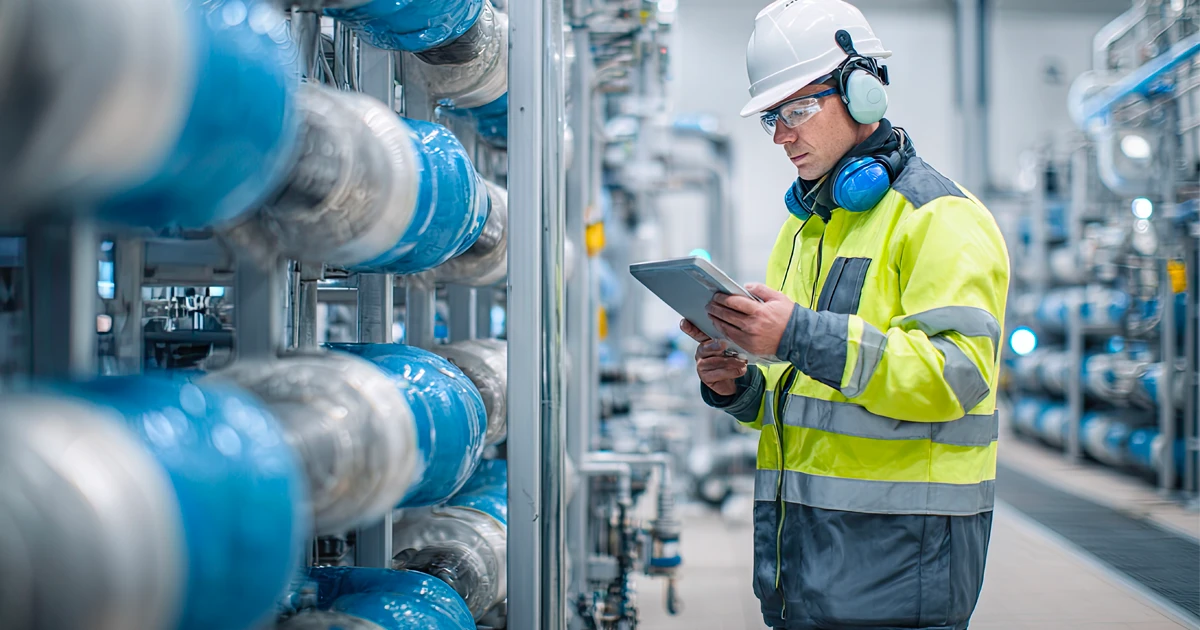
Fuguai in Total Productive Maintenance (TPM) refers to small equipment abnormalities—such as leaks, loose components, or unusual vibrations—that may seem minor but can lead to major machine failures if left unresolved.
Connected worker technology helps eliminate fuguai by guiding operators through digital inspections, enabling real-time reporting of abnormalities, and providing data insights that help maintenance teams resolve issues before they escalate.
Read this article to learn more about Fuguai in Total Productive Maintenance:
Fuguai is a Japanese term used in Total Productive Maintenance (TPM) that refers to minor equipment abnormalities or defects that can eventually lead to equipment failure if left unaddressed. These issues often appear small or insignificant but can accumulate over time and cause major breakdowns, quality defects, or safety risks.
In TPM, identifying and eliminating fuguai is essential because small problems are often the root cause of major equipment losses.
Common examples of fuguai include:
Oil leaks
Loose bolts or fasteners
Abnormal noise or vibration
Dust or debris accumulation
Misalignment of parts
Worn seals or gaskets
Minor electrical irregularities
Although these issues may not immediately stop production, they reduce equipment reliability and efficiency over time.
Why Fuguai Matters in Total Productive Maintenance
One of the main goals of TPM is zero breakdowns (breakdown elimination) and zero defects. Fuguai directly prevents organizations from achieving this goal.
When small abnormalities are ignored, they often lead to:
Unplanned equipment downtime
Reduced machine performance
Product quality issues
Increased maintenance costs
Safety hazards
TPM emphasizes early detection and correction of Fuguai to maintain equipment in optimal condition.
Types of Fuguai in TPM
Fuguai can generally be categorized into several types.
1. Mechanical Fuguai
These involve physical issues in machine components. Examples include:
Loose fasteners
Worn bearings
Misaligned shafts
Damaged belts or chains
2. Lubrication Fuguai
Improper lubrication can lead to excessive wear and equipment damage. Examples include:
Oil leaks
Dry bearings
Contaminated lubricants
3. Electrical Fuguai
Electrical abnormalities may not immediately cause failure but can eventually lead to breakdowns. Examples include:
Loose wiring
Overheating components
Sensor misalignment
4. Environmental Fuguai
These involve environmental factors affecting equipment performance. Examples include:
Dust buildup
Excess moisture
Poor ventilation around machines
How Fuguai Impacts Equipment Efficiency
Fuguai directly affects Overall Equipment Effectiveness (OEE), which is a key TPM metric.
When Fuguai accumulates, it can cause:
Reduced availability due to minor stoppages
Lower performance due to inefficient operation
Quality defects caused by machine instability
Eliminating Fuguai helps organizations maximize equipment reliability and productivity.
How to Identify Fuguai in Equipment
Detecting Fuguai requires a proactive maintenance culture and consistent inspection routines.
Common methods include:
1. Autonomous Maintenance Inspections
Autonomous maintenance is a strategic pillar of TPM and is an approach to proactive maintenance that involves giving machine operators responsibility for basic upkeep tasks. Operators regularly inspect equipment to detect abnormalities early.
Typical inspection points include:
Unusual noises
Oil leaks
Loose parts
Temperature changes
2. Visual Management
Visual indicators help quickly identify problems.
Examples include:
Leak indicators
Color-coded inspection points
Lubrication labels
3. Condition Monitoring
Using sensors and monitoring systems can detect abnormalities before failure occurs.
Examples include:
Vibration analysis
Temperature monitoring
Oil condition analysis
Pro Tip
Using AI-powered digital tools and connected worker technology can help frontline workers and equipment operators proactively identify and eliminate Fuguai on the factory floor.
Steps to Eliminate Fuguai in TPM
Organizations typically follow a structured approach to eliminate Fuguai.
1. Identify the Abnormality
The first step is identifying the Fuguai during inspections or monitoring.
Key questions include:
What abnormal condition exists?
Where is it occurring?
When was it first observed?
2. Record and Tag the Issue
In TPM programs, abnormalities are often tagged to ensure they are tracked and resolved.
Tags typically include:
Issue description
Location
Date identified
Responsible person
3. Investigate Root Causes
Maintenance teams should determine the root cause of the Fuguai using methods like:
The final step is preventing the Fuguai from happening again.
This may involve:
Updating maintenance procedures
Training operators
Improving inspection standards
How Connected Workers Help Identify and Eliminate Fuguai
One of the biggest challenges in eliminating Fuguai is detecting small abnormalities early and ensuring they are reported, tracked, and resolved quickly. Traditional paper-based inspection processes often make this difficult, as issues can be overlooked or documentation may be inconsistent.
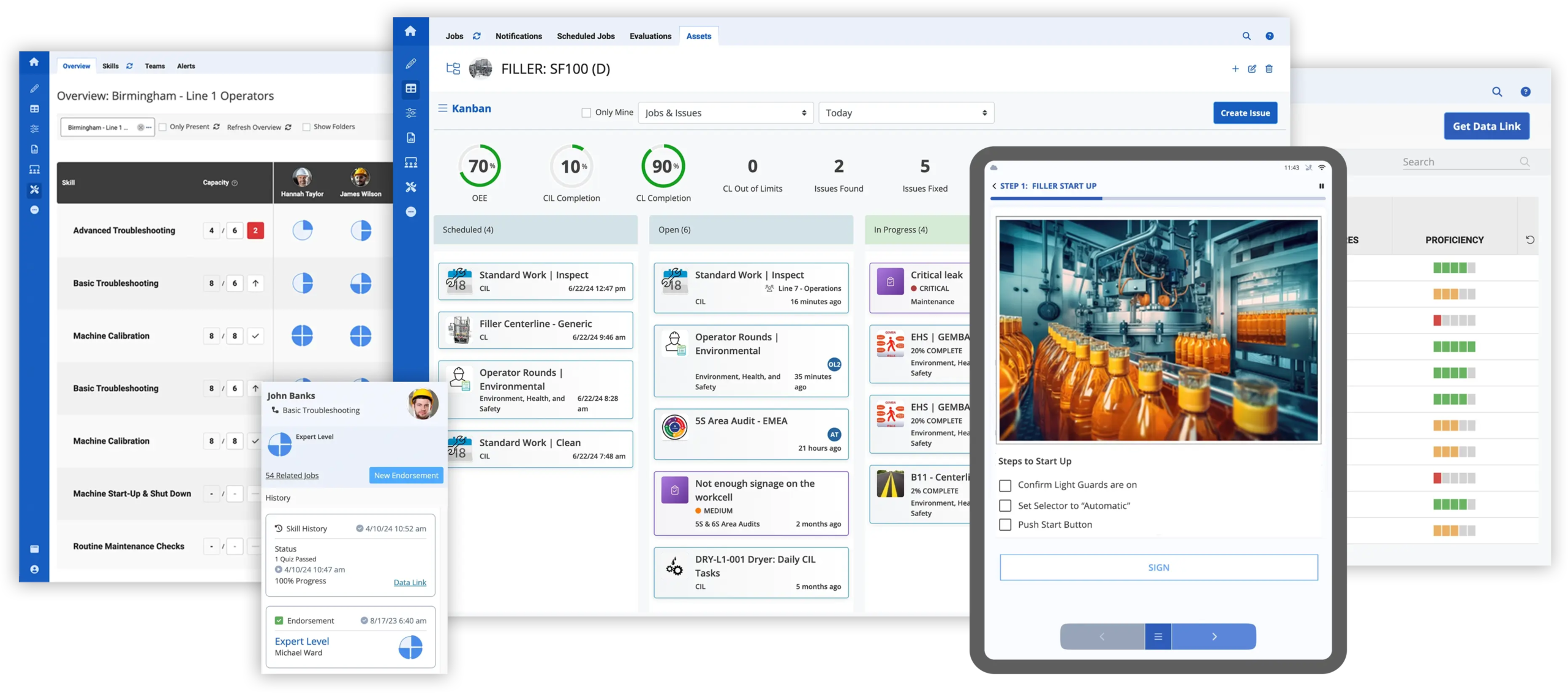
Connected worker technology digitally guides operators and maintenance technicians through inspection routines, enabling them to easily identify and report Fuguai in real time.
Key benefits of connected worker technology include:
Digital Inspections and Checklists
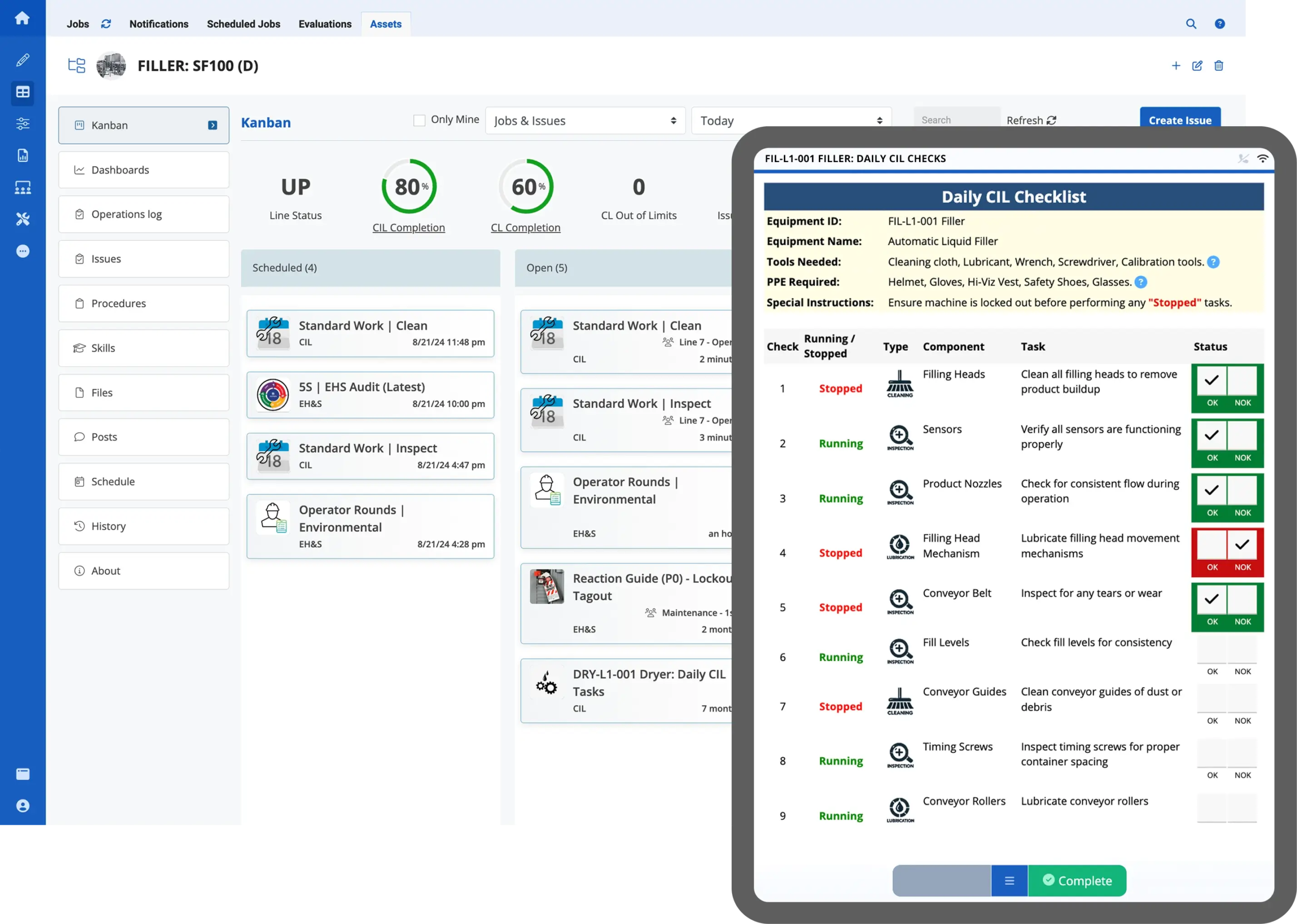
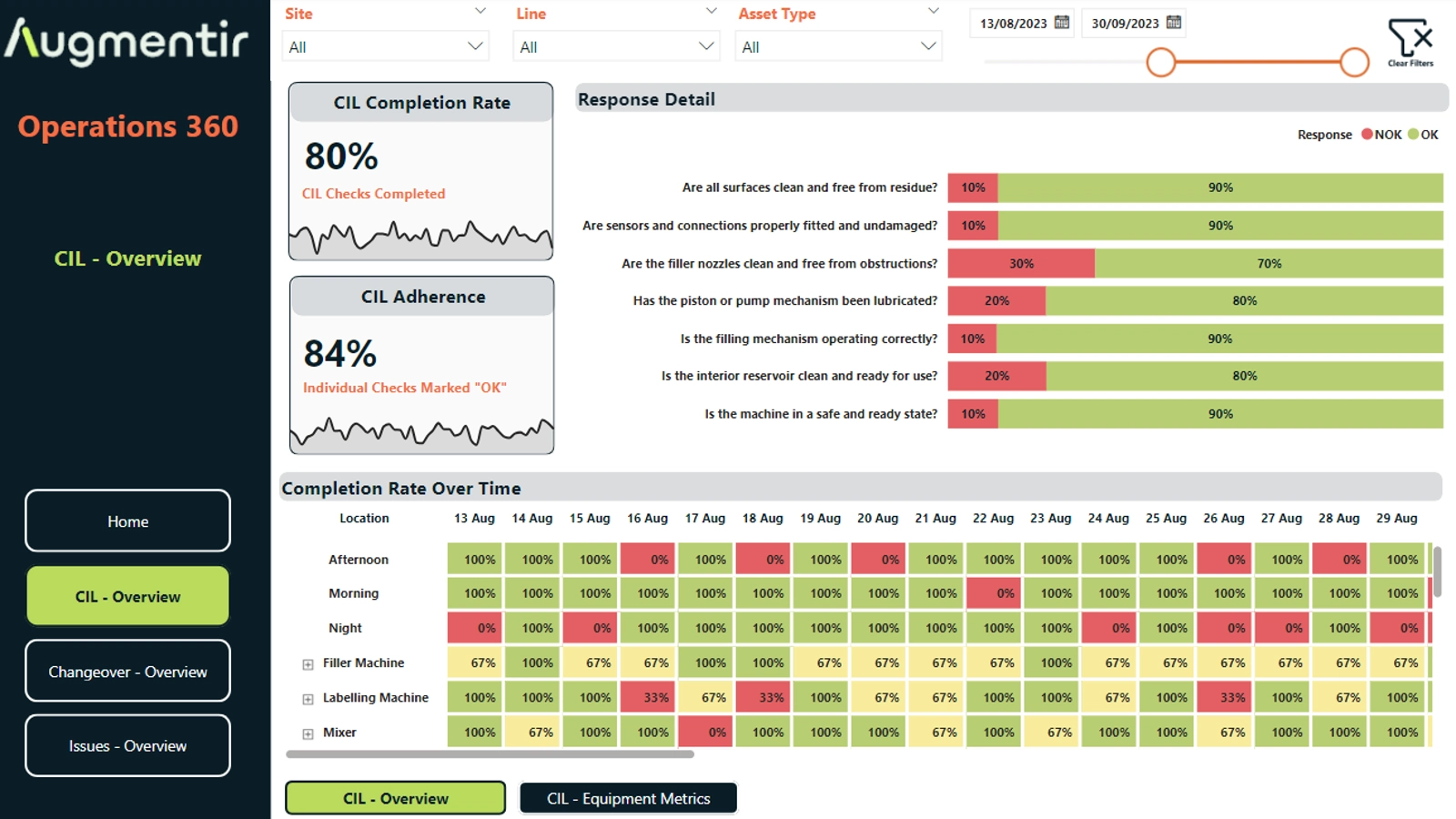
Operators can follow standardized digital inspection checklists that guide them through equipment checks. This ensures abnormalities such as leaks, loose components, or unusual vibrations are consistently identified.
Real-Time Issue Reporting
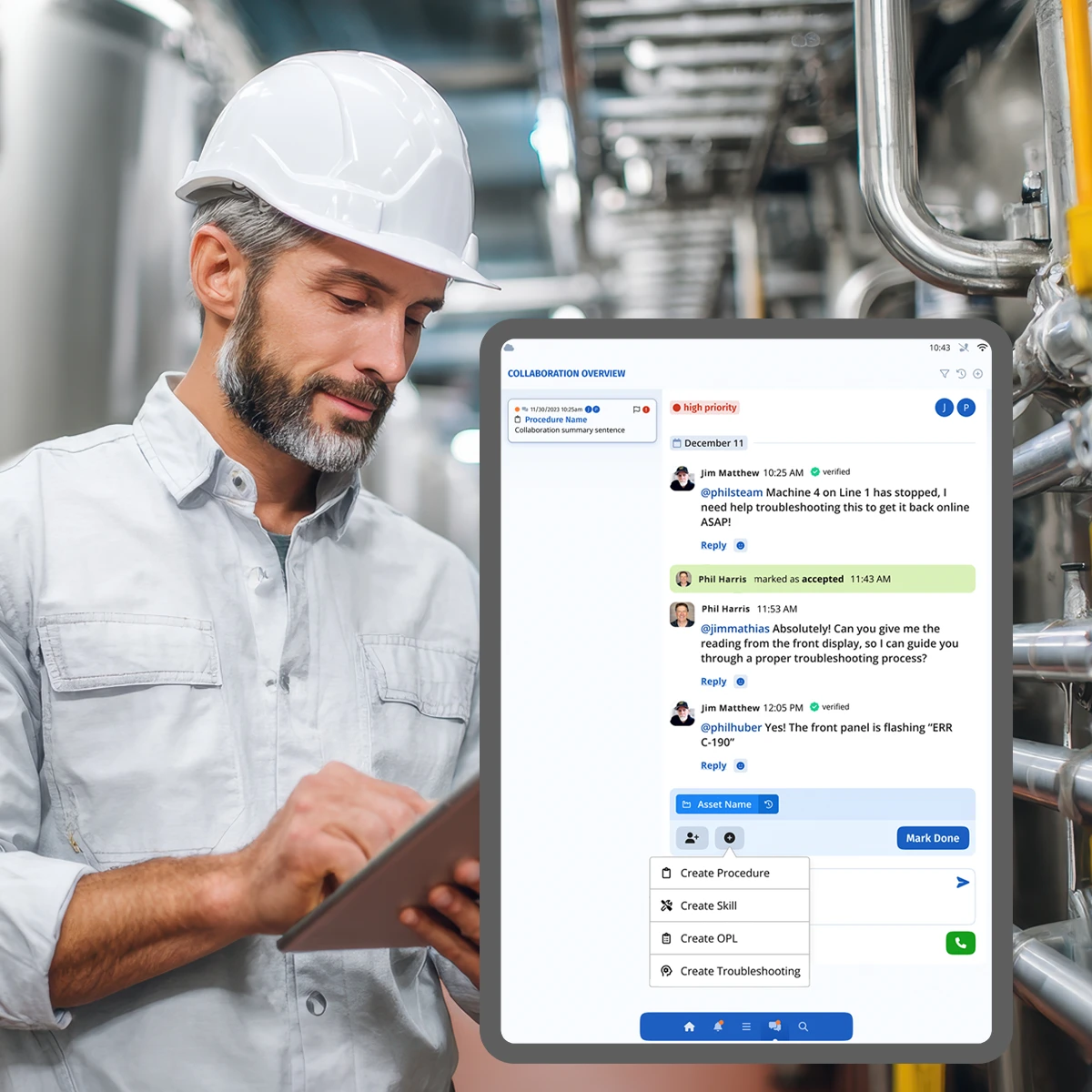
When operators detect Fuguai, they can instantly report the issue using mobile devices or tablets. This allows maintenance teams to respond quickly and prevent minor problems from developing into equipment failures.
Visual Documentation
Connected worker platforms allow workers to capture photos, videos, and notes to document abnormalities. This helps maintenance teams better understand the issue and diagnose root causes faster.
Data-Driven Maintenance Insights
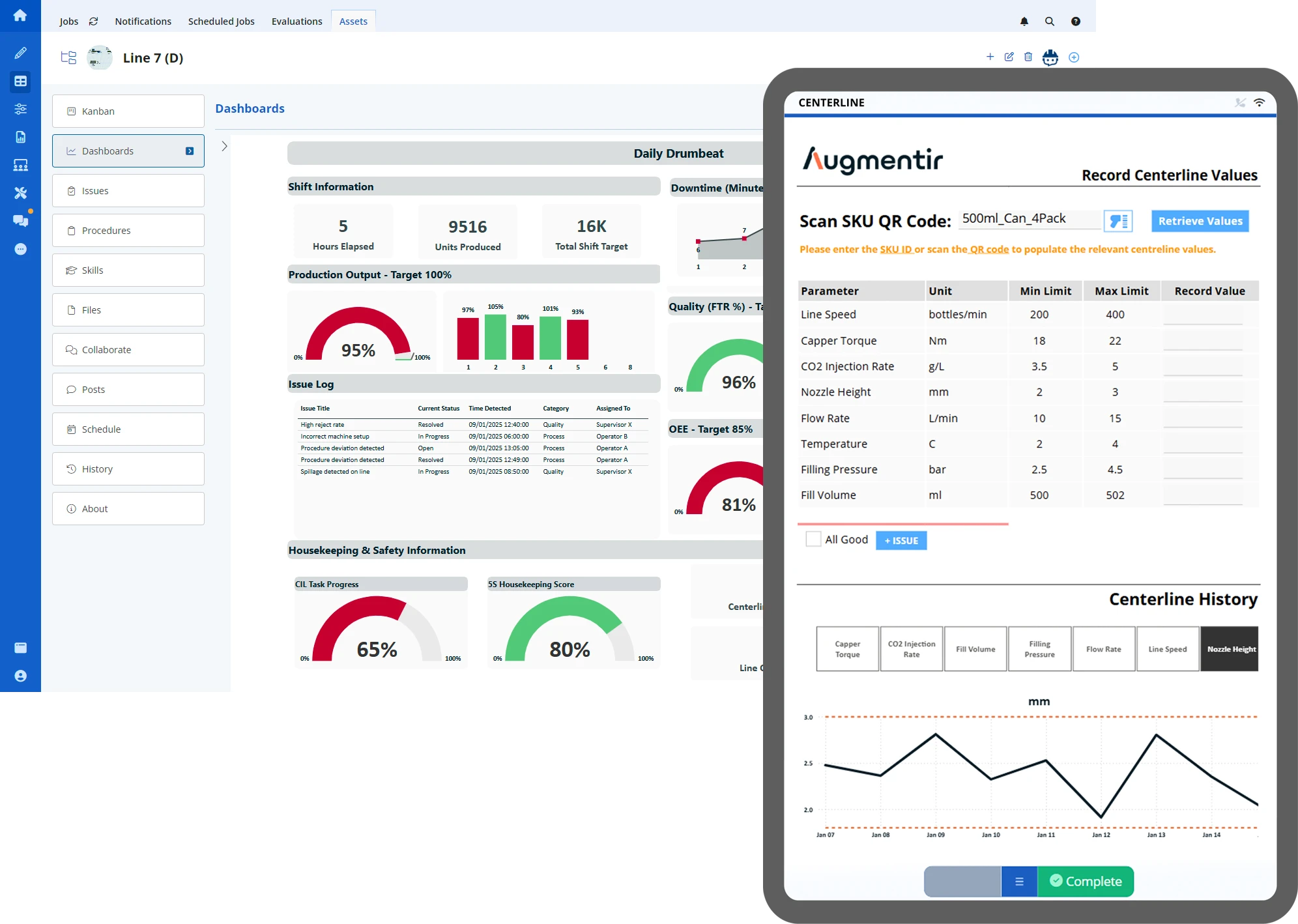
By collecting inspection and maintenance data over time, organizations can identify recurring abnormalities and prioritize improvements that reduce equipment failures.
Ultimately, connected worker solutions help organizations improve visibility, standardize inspections, and accelerate the elimination of Fuguai across their operations.
Using Augmentir to Identify and Eliminate Fuguai
Modern connected worker platforms like Augmentir help manufacturers improve their Total Productive Maintenance programs by making it easier for frontline workers to detect and eliminate equipment abnormalities.
Augmentir provides AI-powered connected worker tools that guide operators through maintenance procedures and inspections, ensuring Fuguai is identified early and resolved quickly.
With Augmentir, manufacturers can:
Digitize Autonomous Maintenance
Operators can follow guided digital workflows for routine inspections and maintenance tasks, helping them detect small abnormalities before they escalate.
Capture Abnormalities in Real Time
Workers can instantly report Fuguai from the shop floor using mobile devices, attaching photos and notes so maintenance teams can quickly assess the issue.
Improve Knowledge and Training
Augmentir provides AI-powered guidance and on-the-job support, helping workers recognize abnormalities they might otherwise miss.
Analyze Maintenance Data
Augmentir’s analytics capabilities help manufacturers identify patterns in equipment abnormalities and prioritize improvements that reduce downtime and increase reliability.
By combining connected worker technology with AI-powered insights, Augmentir helps organizations strengthen their TPM initiatives and systematically eliminate Fuguai across their operations.
Fuguai, a term popularized by Seiichi Nakajima, may seem minor, but in Total Productive Maintenance, small abnormalities often lead to major equipment failures if ignored. By identifying, tracking, and eliminating fuguai early, organizations can significantly improve equipment reliability, safety, andRequest a demo productivity.
A strong TPM program focuses on early detection, operator involvement, and continuous improvement to ensure that small problems never grow into costly breakdowns.
Fugai is a Japanese term used in Total Productive Maintenance (TPM) that refers to minor equipment abnormalities or defects that can lead to equipment failure if left unresolved. Using connected worker platforms like Augmentir, frontline operators can more easily detect and report Fugai during routine inspections, helping organizations address issues before they escalate.
What are examples of Fugai?
Examples of Fugai include oil leaks, loose bolts, abnormal vibration, worn seals, dust buildup, and misaligned components. With digital inspection workflows in Augmentir, operators can quickly document these abnormalities with photos, notes, and real-time reporting.
Why is eliminating Fugai important?
Eliminating Fugai helps prevent equipment breakdowns, improves reliability, increases Overall Equipment Effectiveness (OEE), and reduces maintenance costs. Platforms like Augmentir support this process by enabling proactive maintenance and providing data-driven insights that help teams resolve small abnormalities before they lead to larger failures.
How can manufacturers identify Fugai?
Manufacturers typically identify Fugai through operator inspections, autonomous maintenance routines, visual management systems, and condition monitoring technologies. Using Augmentir’s connected worker platform, manufacturers can digitize these processes, guide workers through standardized inspections, and capture abnormalities in real time to accelerate resolution.